
Code Red extended through Saturday, July 4, 2026.
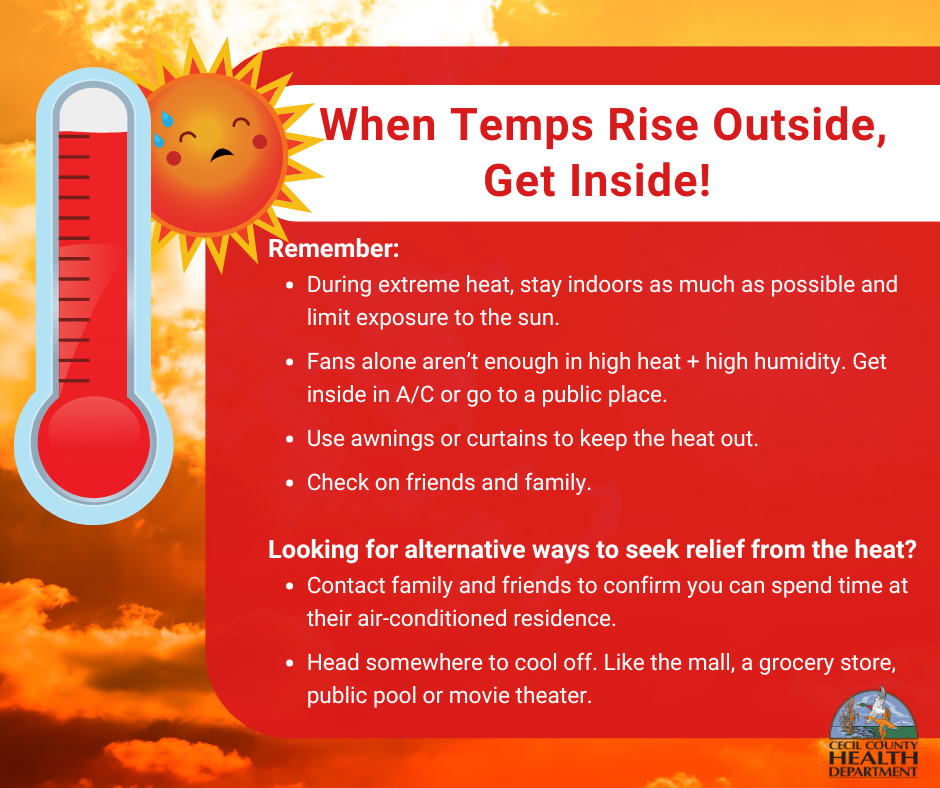
A Heat Advisory has been issued for Saturday, July 4, 2026. The Code Red alert has also been extended through Saturday, July 4, 2026, and will remain in effect until 8:00 p.m.
Stay Hydrated: Drinking enough fluids is one of the most important things you can
do to prevent heat-related illness. Carry a bottle of water and drink before you feel thirsty. Refill throughout the day. Limit beverages high in sugars and sodium, caffeine, and alcohol. Check your urine color. When it’s light yellow or clear, it usually means you are drinking enough water.
Stay Indoors: Avoid physical exertion and outdoor activities during the peak heat hours, typically from mid-morning to late afternoon, when temperatures are at their highest.
Seek Shade or Air-Conditioning: If possible, spend time in shaded areas or air-conditioned spaces. If your home is not air-conditioned, seek relief in a designated Cooling Center or other public place.
Dress Appropriately: Wear lightweight, loose-fitting, and light-colored clothing.
Check on Vulnerable Individuals, Young Children, and Pets: Be sure to check on elderly neighbors and those with pre-existing health conditions. Do not leave children or pets in cars for even short periods of time.
If you start to experience symptoms of heat exhaustion (heavy sweating, weakness, clammy skin, nausea, or vomiting), immediately move to a cooler place, drink water, and rest. Symptoms of heat stroke include a body temperature above 103 degrees, hot, red, dry skin, rapid pulse, and feeling faint. Heat stroke is a medical emergency. If someone exhibits signs of heat stroke or severe symptoms of heat exhaustion, call 911 right away.
Cooling center information: https://cecilcountyhealth.org/cooling-center-information/
If you would like more information and heat safety tips, please visit the CDC website.